Blog Details
- Home
- Blog Details
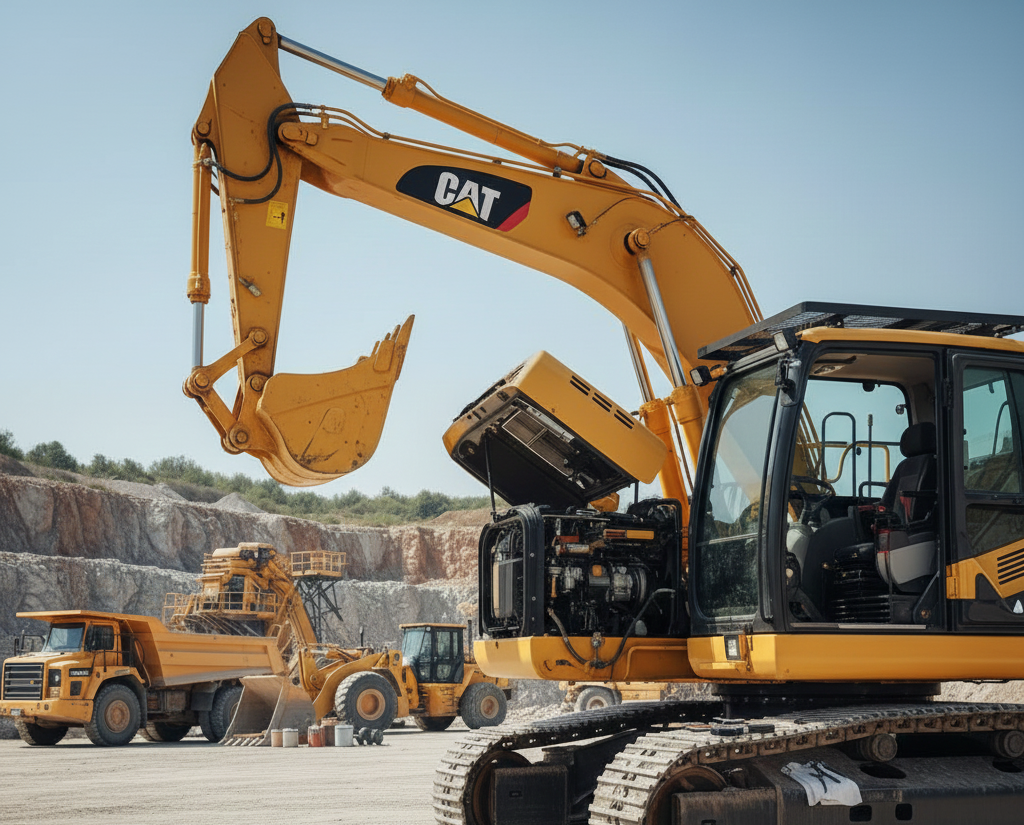
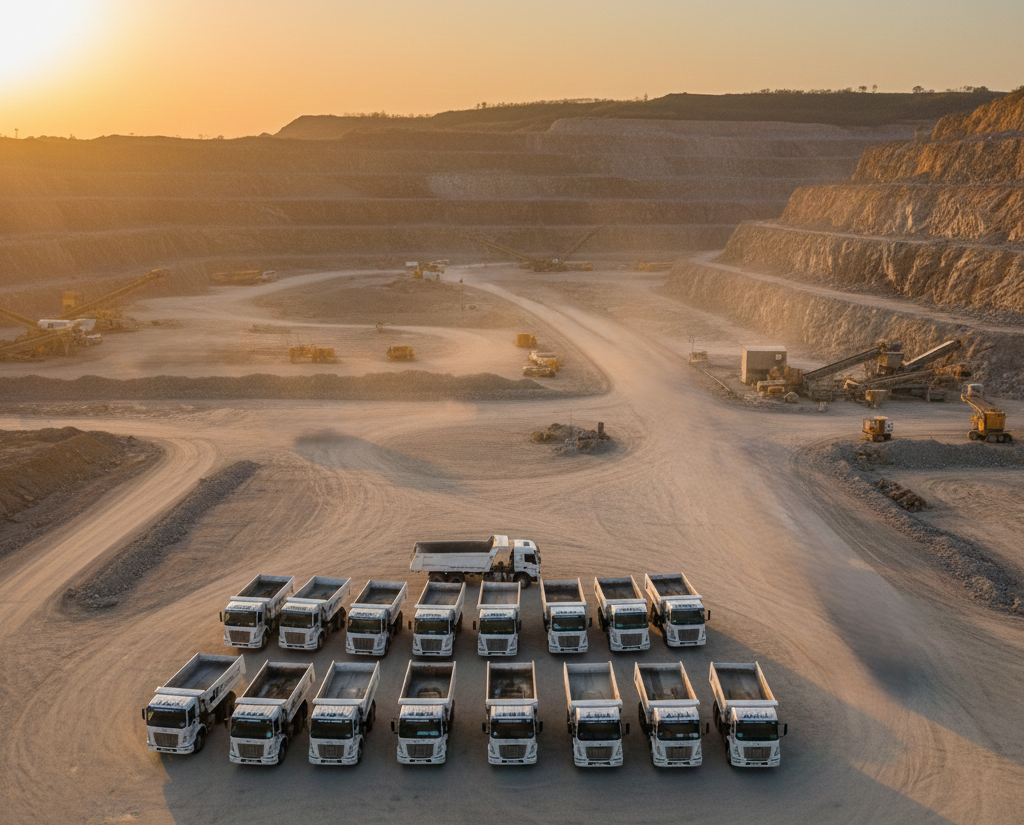
Preventive maintenance is the system of performing scheduled inspections, lubrication, part changes, structural checks, and operational tests before a breakdown occurs. In industries like mining, stone crushing, quarrying, transport logistics, and equipment hiring, every machine operates under pressure – engines heat, hydraulics strain, and components face constant wear. Preventive maintenance ensures machines stay reliable, available, and productive through all work cycles. The core purpose is to keep machines operational, extend machine life, avoid sudden failures, and protect production timelines.
Heavy Machinery Maintenance (HM) is a dedicated category focused on helping machines perform consistently without interruption. It allows equipment to improve efficiency over time by receiving timely care and mechanical adjustments — similar to how a vehicle performs better when serviced regularly. Preventive care has now become a strategic practice across quarry and infrastructure sectors, empowering businesses to reduce downtime, increase productivity, and avoid expensive breakdowns caused by unattended mechanical faults.
Preventive maintenance is not a cost – it is an investment that protects machinery, workers, timelines, and business reputation. Continuous monitoring of crushers, excavators, loaders, and tippers ensures every component performs at safest efficiency.
Operations Manager – Mining Division
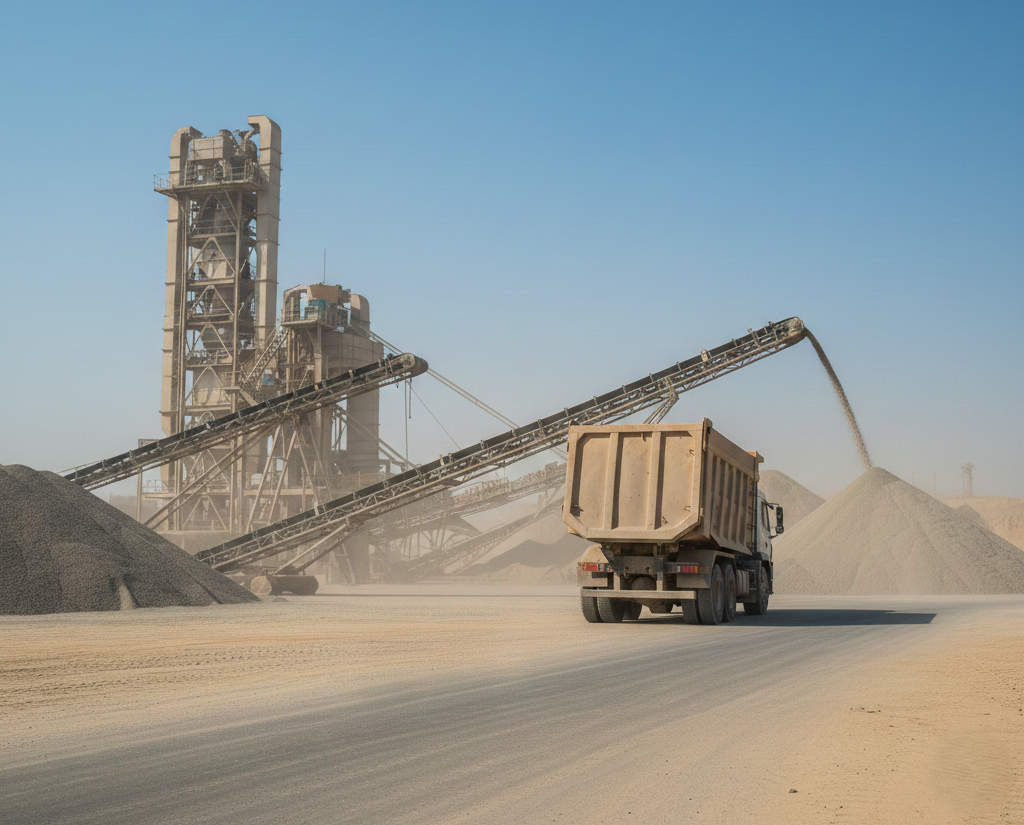
Our maintenance workflow begins with understanding your fleet usage, hours of operation, load stress, and environmental exposure. Our team implements a structured checklist, schedules lubrication cycles, monitors engine health, inspects wear-parts, and calibrates each machine to match site demand. The lifecycle approach ensures cost efficiency, reduced fuel consumption, and higher output. Whether it is a crusher unit running 24×7 or a wheel-loader feeding raw boulders, preventive care ensures consistent performance without unexpected stoppages.
Preventive maintenance includes daily inspections, greasing moving joints, flushing hydraulic lines, repairing leaks, cleaning to prevent dust clogging, replacing worn parts, and training operators to detect early warning signs. When machines are maintained well, output becomes stable, cost per hour reduces, breakdowns disappear, and equipment life increases — making preventive maintenance one of the most important business tools for any industrial operation.