Blog Details
- Home
- Blog Details



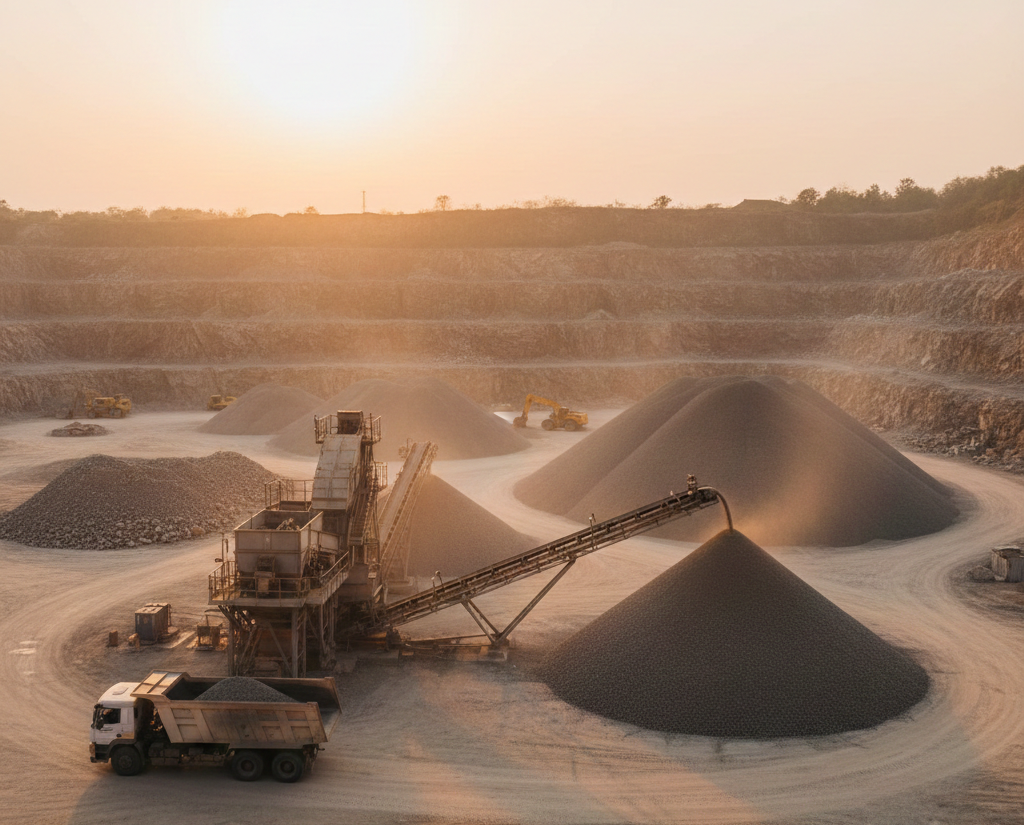
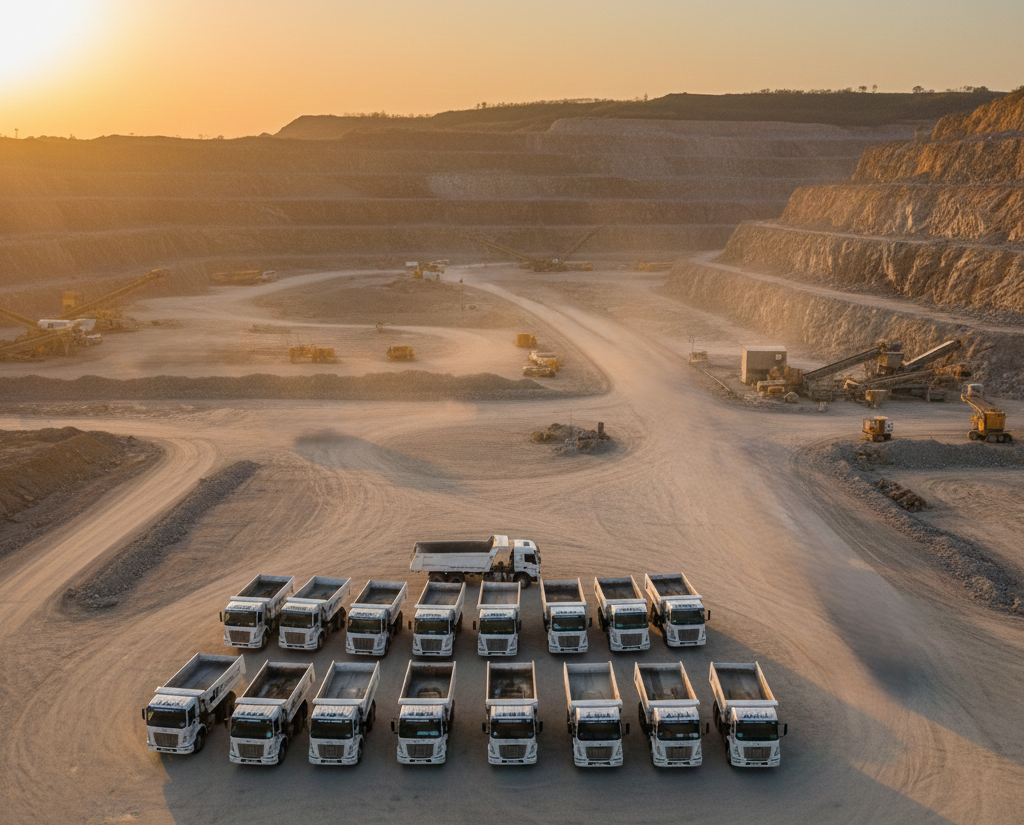
Stone aggregates sit at the foundation of India’s construction movement — forming the base for highways, bridges, smart-city layouts, and metro-line expansions. As India continues to invest in connectivity, industrial parks, defense corridors, and renewable energy zones, the demand for aggregates has surged beyond traditional levels. Stone crushers, quarry operators, and aggregate producers today face a market that is expanding faster than ever, where project timelines depend on uninterrupted supply of M-Sand, GSB, WMM, 20mm, 40mm, and engineered stone material.
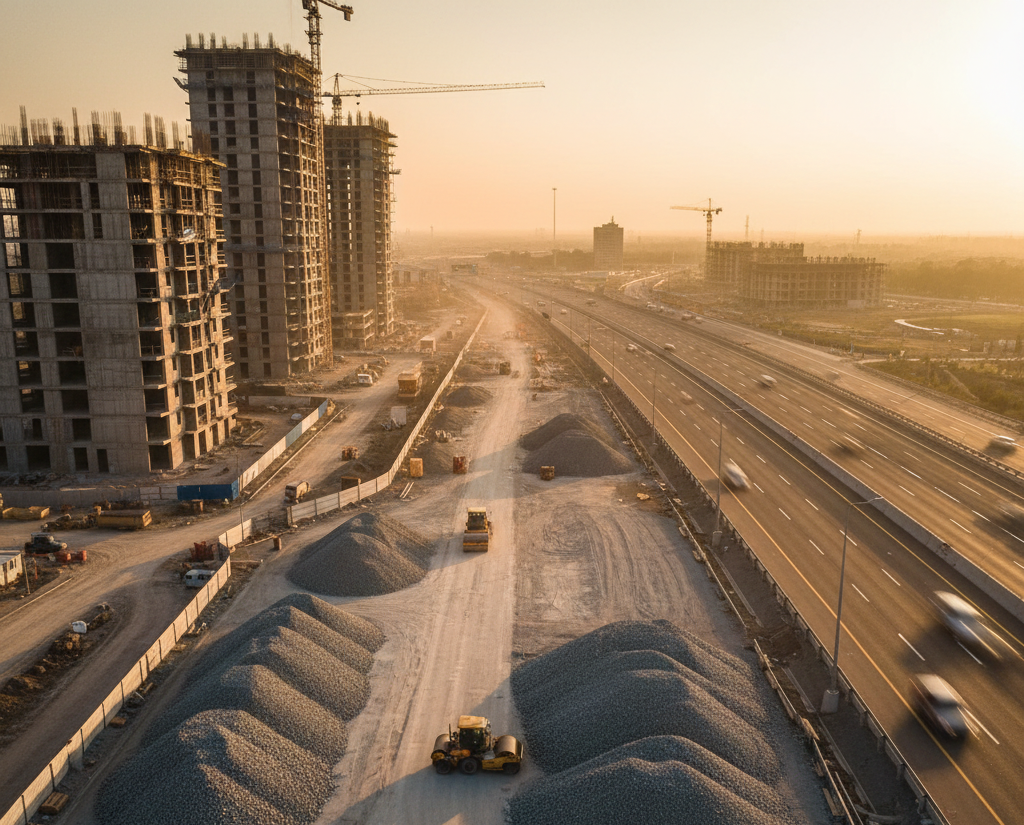
This rising requirement is not random — it is deeply tied to national development missions. Flagship programs like Bharatmala, Sagarmala, Smart Cities Mission, PM-Gati Shakti, and high-speed rail corridors are consuming millions of tonnes of aggregates annually, creating a direct link between government expenditure and quarry operations. Every kilometer of road laid, every metro pillar cast, and every industrial foundation poured begins with crushing units turning raw boulders into usable material — proving that aggregates are the true first ingredient of infrastructure.
Aggregates are not just raw material; they are the silent engine behind every road, airport, and public structure that transforms the Indian landscape.
Infrastructure Analyst
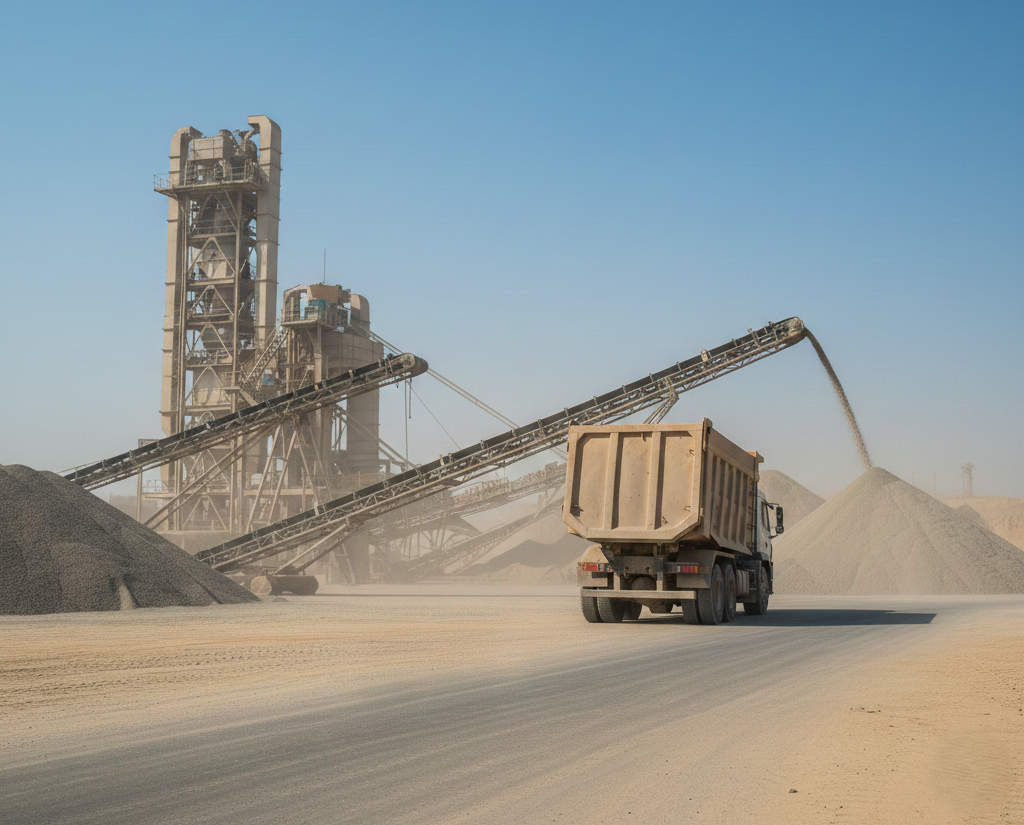
The expansion has created operational pressure — material must be uniform, graded, and delivered fast to match EPC and construction schedules. Producers are adapting through higher-capacity crushers, automated production lines, fleet-based delivery, and partnerships with infrastructure developers for long-term supply agreements. This alignment between quarry production and real-time demand allows massive projects to avoid downtime, cost overruns, and delays caused by inconsistent supply.
Consistency in output becomes even more critical when multiple mega-projects operate simultaneously. The northern freight corridor, coastal road upgrades, and river-linking irrigation systems have collectively increased consumption across states such as Maharashtra, Tamil Nadu, Karnataka, Andhra Pradesh, and Rajasthan. With Indian infrastructure poised for a decade of expansion, aggregate manufacturers who expand capacity, upgrade machinery, and maintain stable delivery networks will find themselves at the center of national growth — because infrastructure begins where the stone is crushed.